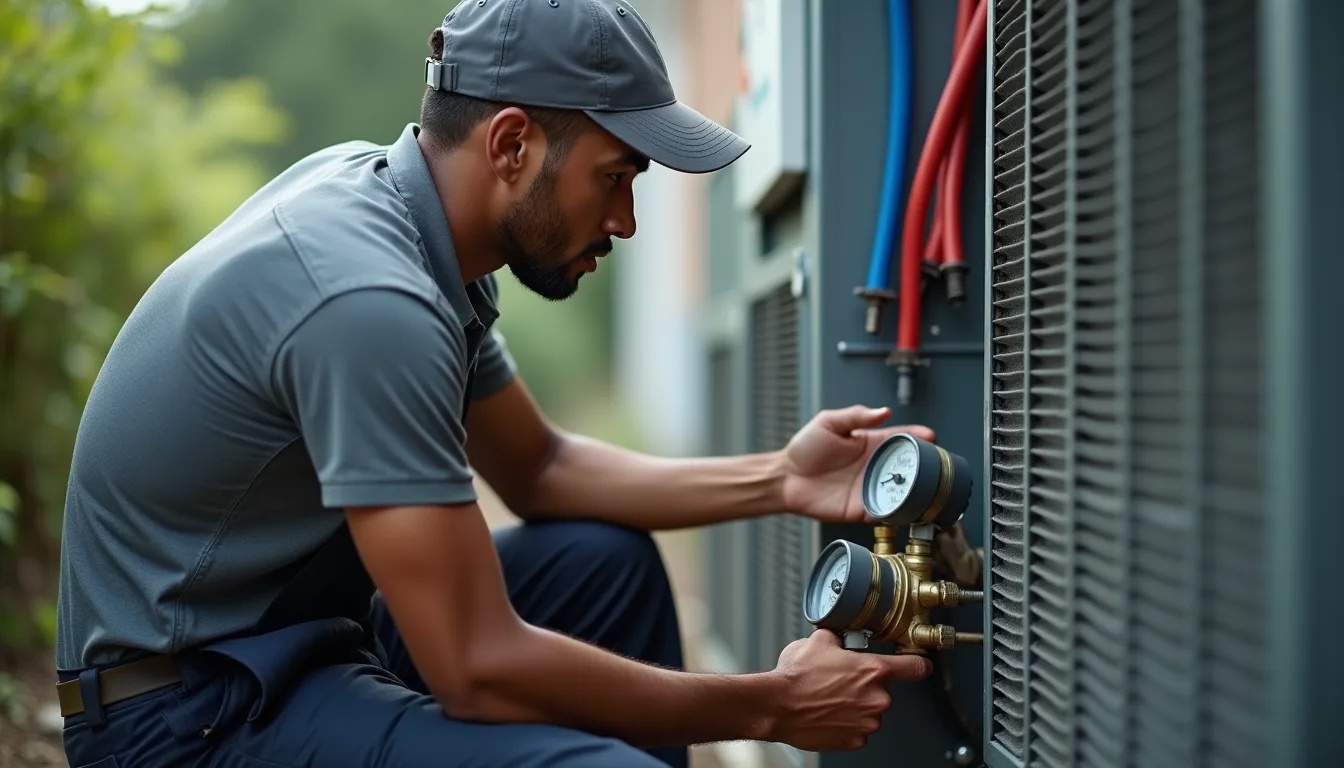
The Real Cost of Delaying HVAC Repairs in Liberty Hill
Published: 2026-04-26 · By Liberty Hill PRO Air Conditioning Service
Imagine sweltering in your Liberty Hill home on a scorching summer day, the outdoor temperatures soaring above 100°F, and your air conditioning system starts making strange noises. Instead of taking immediate action, you brush it off, thinking it’s just a minor glitch. Unfortunately, delays in addressing HVAC issues can lead to not only unbearable heat but also significantly higher repair costs down the line. In a hot and humid climate like Liberty Hill’s, the stakes are high. Let’s explore the hidden dangers of procrastination when it comes to HVAC repairs.
Why This Matters for Liberty Hill Homeowners
The extreme heat and humidity characteristic of Liberty Hill place a strain on air conditioning units, affecting their operation and longevity. Ignoring minor issues, like a malfunctioning thermostat or an unusual sound from the unit, can exacerbate problems, leading to a total system failure when you need it most. Foundation issues in local homes, caused by the clay soil's expansion and contraction, can complicate HVAC problems, leading to more extensive repairs that may require hiring specialists.
Severe thunderstorms can exacerbate existing issues, as debris might obstruct outdoor units, leading to overheating. Residents might assume that an unresponsive AC system can wait until cooler weather, but with temperatures soaring, such assumptions can lead to uncomfortable days and sleepless nights. Regular maintenance is essential for avoiding these unforeseen issues, yet many homeowners delay necessary repairs, thinking they can save money.
Ignoring HVAC issues may lead to higher energy bills, compromised indoor air quality, and increased risk of breakdowns during crucial times.
Expert Solutions & Actionable Tips
1. Understand Seasonal Patterns
Liberty Hill experiences extreme heat, especially from late spring into summer. Awareness of this climate pattern is crucial for timely HVAC repairs. For example, having your system checked in early spring can catch issues before the sweltering heat hits. Expect to spend between $70 to $150 for a seasonal tune-up, a small price compared to the discomfort of an AC failure in July.
Noticing increased energy bills during peak months? This may signal a need for repairs. Each month of delayed maintenance could add up to $20 to your utility costs. Addressing the problem sooner rather than later is wise, considering the local climate challenges.
2. Hurricane Preparedness
During hurricane season, high winds and storms can bring unexpected debris that could wreck outdoor HVAC units. Ensuring your unit is properly secured can prevent costly repairs. Consider an annual inspection before June to mitigate these risks. A thorough check might cost anywhere from $100 to $200, and it could save you thousands if a storm damages an unprotected system.
If left unattended, repairs can skyrocket from minor to major issues if components fail during severe weather. Investing in maintenance now can significantly reduce repair costs during the storm season.
3. Review Homeowner Insurance
Understanding your homeowner insurance policy is key. Many policies cover HVAC repairs due to storm damage, but some do not include wear-and-tear issues. Before a crisis strikes, take a moment to review your policy to avoid surprises. In Liberty Hill, some homeowners have learned their policies only cover up to $3,000 in HVAC repair costs, leading to substantial out-of-pocket expenses.
If a storm damages your unit, prompt action ensures you can file a claim within the stipulated time frame, helping offset repair costs.
4. Act Early on Warning Signs
A slight change in airflow or strange noises coming from your AC are often the earliest signs of trouble. Addressing these issues as soon as you notice them is essential. The cost of simple repairs can range from $100 to $400, while ignoring them may lead to a complete system breakdown, forcing you to spend $5,000 or more on a new unit.
If you observe a sudden rise in humidity indoors, it’s also a critical sign that your AC needs immediate attention.
5. Plan for Regular Maintenance
Establishing a routine maintenance schedule is invaluable in extending the life of your HVAC system. Set aside $200-$400 a year for proactive inspections, which could identify issues before they escalate. Homes in Liberty Hill, often being older, may need more frequent inspections due to the wear from local climates.
Many technicians recommend twice-a-year service; one before summer and one before winter, as seasonal changes can dramatically affect system efficiency.
6. Check Ductwork for Issues
Neglecting ductwork can lead to significant efficiency losses. In Liberty Hill, homeowners should have ductwork inspected every few years to ensure there’s no air leakage. Repairs can range between $150 to $600 depending on the extent needed. Delaying these checks could inflate your utility bills as much as $400 annually due to wasted energy.
Keep in mind that improved indoor air quality is also a plus that comes with well-maintained ducts, which is a considerable benefit in a high-humidity area.
Liberty Hill Climate & Local Context
Liberty Hill’s unique climate, characterized by extreme heat and humidity, creates specific challenges for homeowners’ HVAC systems. Most homes here are built with considerations for high humidity, leading to specialized insulation and ventilation requirements. However, foundation issues due to clay soil can complicate HVAC installation and longevity, necessitating expert assessments.
Moreover, local building codes might emphasize energy efficiency, requiring more frequent updates to HVAC systems or components. Each residence must comply with these codes, and it’s vital for homeowners to connect with licensed professionals for any repairs or upgrades needed to meet standards.
When to Call a Professional
While some homeowners in Liberty Hill might be tempted to tackle HVAC repairs independently, many situations warrant professional intervention. Minor filter replacements or thermostat adjustments can usually be handled without professional help, but more complicated scenarios often require a qualified technician.
- Strange noises coming from your HVAC system
- Inconsistent temperatures in different rooms
- Frequent cycling of the air conditioning unit
- Excessively high energy bills without explanation
- Water pooling around the unit
- Foul odors emanating from vents
- Increased humidity indoors
If you observe any of these issues, consider reaching out to an HVAC professional to prevent further complications.
Frequently Asked Questions
How often should I have my HVAC serviced in Liberty Hill?
Homeowners should have their HVAC systems serviced at least twice a year, preferably before the peak seasons of summer and winter.
What signs indicate I need to replace my HVAC unit?
Frequent repairs, inefficiency in heating/cooling, and an age of 15 years or older typically indicate a replacement is necessary.
Are HVAC repairs covered by homeowners insurance?
It depends on your policy; while some policies cover repair or replacement due to storm damage, others do not cover general wear and tear.
How can I improve my HVAC system's efficiency?
Regular maintenance, including duct cleaning, replacing air filters, and sealing air leaks can greatly enhance efficiency.
What should I do during a power outage to protect my HVAC?
Turn off your HVAC system during a power outage to prevent damage when power returns, and wait until power stabilizes before restarting.
Get Expert HVAC Service in Liberty Hill
Delaying HVAC repairs can lead to much more than discomfort; it can escalate costs and reduce efficiency. Ensure your home remains a cool haven during intense heat by calling (737) 316-5395. Let Liberty Hill PRO Air Conditioning Service help you keep your system running smoothly and efficiently.
Your comfort is essential, and addressing HVAC issues promptly can make all the difference. Don't hesitate to reach out to us for a consultation today!