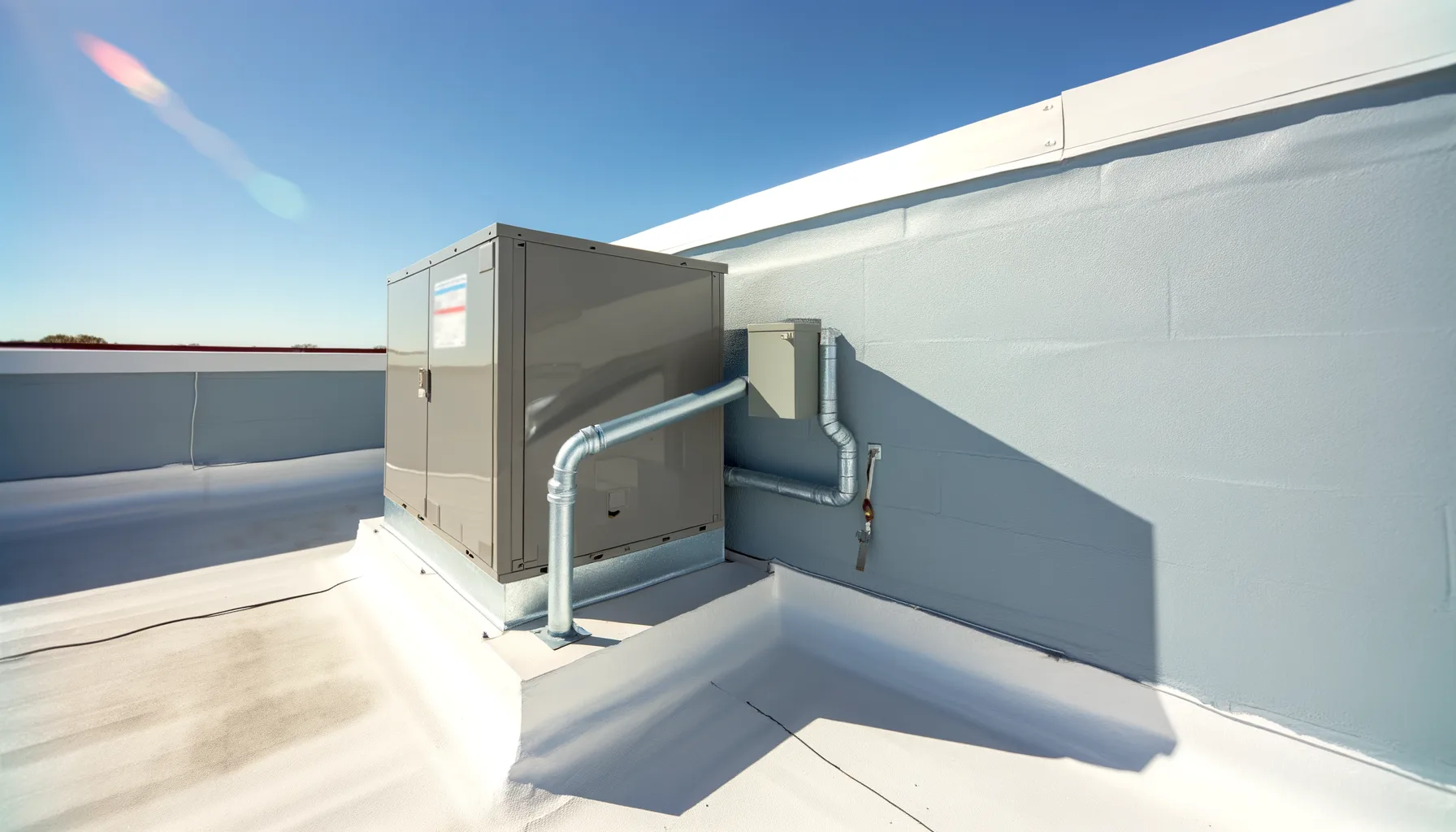
3 Energy-Saving HVAC Upgrades for Liberty Hill Homes in 2026
Published: 2026-04-26 · By Liberty Hill PRO Air Conditioning Service
As the scorching summer sun beats down on Liberty Hill, the importance of a reliable HVAC system cannot be overstated. Homeowners often find themselves wrestling with high energy bills while struggling to keep their indoor spaces cool and comfortable. As we step into 2026, now is the perfect time to consider energy-saving upgrades that not only enhance comfort but also contribute to cost savings. With Texas' extreme heat and humidity, investing in energy-efficient HVAC upgrades will be a wise decision that pays off in the long run.
Why This Matters for Liberty Hill Homeowners
For residents of Liberty Hill, tackling energy inefficiency in their homes is crucial, especially with the local weather behaving unpredictably due to seasonal storms and the sweltering heat. Many homes here suffer from outdated air conditioning systems that can account for nearly half of energy expenses during summer months. These systems not only consume excessive electricity but often fail to adequately cool spaces, leaving residents to grapple with discomfort.
Moreover, the clay soil prevalent in Texas can lead to foundation issues that exacerbate the inefficiency of existing HVAC systems. If your air conditioning system is placed on an unstable foundation, it can struggle to operate at optimal efficiency, costing you more in repairs. Protect your budget by exploring energy-saving HVAC solutions that will better harmonize with Liberty Hill’s unique climate.
Tip: Regular HVAC maintenance can prevent inefficiencies and ultimately extend the lifespan of your air conditioning unit. Schedule inspections at least twice a year.
Expert Solutions & Actionable Tips
1. Upgrade to a Smart Thermostat
Installing a smart thermostat can lead to significant savings on energy bills, potentially reducing costs by 10-15% annually. These devices learn your daily habits and adjust temperature settings accordingly, optimizing energy use when you're at work or asleep. In Liberty Hill, consider options like the Nest or Ecobee, which run around $200-$300. Expect installation to take about an hour, and many HVAC professionals offer discounts when installed with system maintenance.
2. Consider High-Efficiency Air Conditioners
Upgrading your air conditioning unit to a high-efficiency model can drastically lower your cooling costs. Look for units with a Seasonal Energy Efficiency Ratio (SEER) rating above 16, which generally cost between $3,000 and $7,000 installed. A high-efficiency system will work effectively under Liberty Hill's extreme heat, providing comfort without the exorbitant energy bills. Installation may take a day, and many manufacturers offer warranties of up to 10 years.
3. Seal Ductwork for Enhanced Efficiency
Duct leaks can waste a whopping 20-30% of the cooled air your system generates. Sealing ductwork can be a straightforward DIY project costing around $200-$500 if hiring a professional. In Liberty Hill, where heavy humidity is common, properly sealed ducts help ensure your home maintains its cool air without straining the system. Expect the sealing process to take between 3-5 hours, depending on the size of your home.
4. Integrate Zoned HVAC Systems
For larger Liberty Hill homes, a zoned HVAC system can optimize comfort by allowing you to heat or cool specific areas independently. Installation typically ranges from $2,000 to $5,000 and takes one to two days. This approach can significantly reduce energy waste while addressing temperature disparities in multi-story homes. As a bonus, many zoned systems are compatible with smart technology for added control.
5. Utilize Ceiling Fans for Complementary Cooling
Adding ceiling fans can be a cost-effective way to enhance air circulation, making your home feel cooler without overworking your HVAC system. A quality ceiling fan costs between $150-$400, and installation typically requires just a couple of hours. By circulating air, fans can allow you to raise the thermostat setting by about four degrees, further reducing energy consumption during Liberty Hill’s hot months.
6. Implement Regular Maintenance Practices
Regular maintenance, including changing filters every 1-3 months and cleaning coils, can extend the life of your HVAC system by years. This approach can often save homeowners up to 15% on their energy bills. In Liberty Hill's humid climate, paying particular attention to moisture levels and airflow can help prevent costly repairs. A comprehensive inspection should be conducted at least twice a year by a certified technician for around $100-$200 each visit.
Liberty Hill Climate & Local Context
Liberty Hill's climate presents unique challenges for homeowners, particularly during the hot and humid summer months. With average temperatures often soaring above 90 degrees Fahrenheit, effective air conditioning systems are critical. Local residences embrace various architectural styles—from ranch homes to newer builds—making energy efficiency upgrades vital for long-term savings and comfort.
Building codes in Liberty Hill may require certain permits for HVAC replacements or significant upgrades. Ensure compliance by consulting local codes before proceeding with any installation. Collaborating with experienced local HVAC professionals can help navigate any permit requirements and recommended practices tailored to the unique conditions found in Liberty Hill.
When to Call a Professional
When it comes to HVAC upgrades, deciding whether to tackle projects yourself or hire a professional is paramount. Certain straightforward tasks, like changing air filters or installing programmable thermostats, can be handled by homeowners. However, when it comes to more complex installations or repairs, calling in an expert ensures safety and adherence to local codes.
Here are key red-flag scenarios where seeking professional help is crucial:
- Frequent breakdowns of your HVAC system
- Unusual noises or smells coming from your unit
- Inconsistent temperatures in different home areas
- High energy bills without a clear explanation
- Moisture buildup around the furnace or air conditioning unit
- Older units that are past their expected lifespan
- Difficulty starting the system or frequent cycling on and off
- Installation of entirely new systems and zoning setups
Frequently Asked Questions
How often should I have my HVAC system serviced in Liberty Hill?
It's advisable to service your HVAC system at least twice a year to maintain efficiency, especially before the summer and winter seasons.
What is the best HVAC upgrade for hotter climates like Liberty Hill?
High-efficiency air conditioning units with a SEER rating over 16 are ideal for Liberty Hill’s hot climate, providing optimal cooling while saving on energy costs.
Can I reduce my energy bills without upgrading my HVAC system?
Yes, regularly changing filters, sealing duct leaks, and using ceiling fans can significantly reduce energy consumption without major upgrades.
What permits do I need for HVAC installation in Liberty Hill?
Any significant HVAC installation or replacement typically requires permits that you can obtain from the Liberty Hill local building department.
How long can I expect a high-efficiency HVAC system to last?
A high-efficiency HVAC system can last anywhere from 15 to 20 years with proper maintenance, providing both comfort and savings over time.
Get Expert HVAC Service in Liberty Hill
If you're ready to take the plunge and upgrade your HVAC system for better efficiency and comfort, consider reaching out to Liberty Hill PRO Air Conditioning Service. Our team is equipped to navigate the unique HVAC challenges that Liberty Hill residents face.
Call (737) 316-5395 today and discover how our expertise can lead to a more comfortable and energy-efficient home!